Ice Bath vs Sauna for Immunity: Cold vs Heat Shock Proteins Explained
You take your vitamin C. You prioritise sleep. You have a cupboard full of supplements with names you can barely pronounce. Yet every time the seasons shift, or stress accumulates past a certain threshold, your immune system folds.
The missing piece might not come in a capsule. It might come from temperature.
The debate around ice bath vs sauna for immunity has moved well beyond anecdotal wellness claims. Peer-reviewed research now points to two distinct families of stress-response proteins: cold shock proteins and heat shock proteins.
Each triggers powerful, measurable changes in immune function through completely different biological pathways. Understanding how they differ, overlap, and complement each other is the difference between guessing and building a genuinely resilient immune system.
This is not about choosing sides. It is about choosing intelligently. Below, we break down the science, compare the protocols side by side, and show you exactly how to deploy cold and heat for an immune system that does not buckle under pressure.
How Cold and Heat Trigger Your Immune System at a Molecular Level
Your immune system is not an on-off switch. It is a layered network of innate defences, adaptive responses, signalling molecules, and specialised cells that respond dynamically to environmental stress. Temperature is one of the most potent environmental stressors you can deliberately introduce.
The Hormetic Stress Principle
Both cold water immersion and sauna exposure work through hormesis: the biological principle that controlled, short-duration stress triggers adaptive responses that leave the organism stronger than before. Think of it as a fire drill for your cells. The alarm is real, the response is real, but the threat is contained.
When you submerge in cold water, your body perceives a survival-level challenge. Core temperature drops, blood redistributes, and a cascade of neurochemical and immune signalling events begins within seconds. When you sit in a sauna, the opposite thermal extreme produces its own cascade: elevated heart rate, profuse sweating, and the activation of cellular repair pathways that overlap with fever response.
Two Families of Stress Proteins
The molecular protagonists in this story are cold shock proteins (CSPs) and heat shock proteins (HSPs). Both are ancient, evolutionarily conserved families that exist across virtually all living organisms. Their primary role is cellular protection and repair under thermal stress. But their downstream effects on immune function are where things become genuinely compelling.
Cold Shock Proteins and the Cold Water Immersion Immune System Response
Cold shock proteins, most notably RNA-binding motif protein 3 (RBM3) and cold-inducible RNA-binding protein (CIRP), are upregulated when core or peripheral body temperature drops. Research published in Nature has linked RBM3 to neuroprotection, and its immune implications are increasingly well documented.
What Happens Immunologically During Cold Exposure
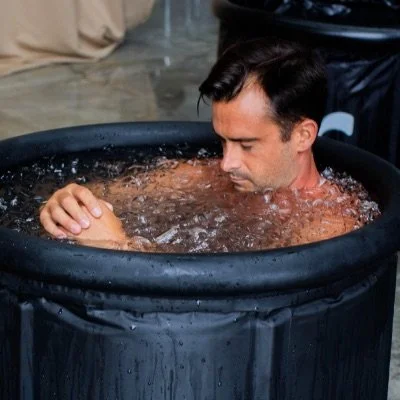
When you enter an ice bath at 2-6°C, several immune-relevant events unfold in rapid succession. Sramek et al. (2000) documented noradrenaline increases of 200-530% during cold immersion, which directly activates immune cell mobilisation and enhances natural killer (NK) cell activity. Alongside this:
• Leukocyte redistribution: White blood cells, particularly lymphocytes and monocytes, are released into circulation, priming the body for pathogen surveillance.
• Anti-inflammatory cytokine shift: Regular cold exposure has been shown to reduce pro-inflammatory markers including IL-6 and TNF-alpha while supporting anti-inflammatory pathways.
• Cold shock protein expression: RBM3 and CIRP stabilise mRNA transcripts involved in immune cell function, improving the fidelity of immune signalling under stress.
Source: Sramek et al. (2000) Eur J Appl Physiol; Cain et al. (2025) PLOS ONE meta-analysis
The Repeated Exposure Advantage
A landmark randomised controlled trial by Buijze et al. (2016), published in PLOS ONE, found that 3,018 participants who took cold showers for 30 consecutive days showed a 29% reduction in sickness absence compared to the control group (incident rate ratio 0.71, p=0.003). This is not a small-sample wellness anecdote. It is an RCT with over three thousand participants, published in a peer-reviewed journal.
The finding aligns with laboratory evidence showing that habitual cold exposure enhances innate immune vigilance without triggering the chronic inflammation associated with overtraining. The important caveat: the reduction was in sickness absence, not in total illness days, suggesting cold exposure may reduce severity and recovery time rather than completely preventing infection.
Source: Buijze et al. (2016) PLOS ONE, n=3,018, RCT
Heat Shock Proteins and Sauna Immune Benefits
Heat shock proteins, particularly HSP70 and HSP90, are among the most studied molecules in cellular biology. They function as molecular chaperones: ensuring other proteins fold correctly, refold after damage, or are tagged for disposal. Their role in immunity is both direct and substantial.
What Happens Immunologically During Heat Exposure
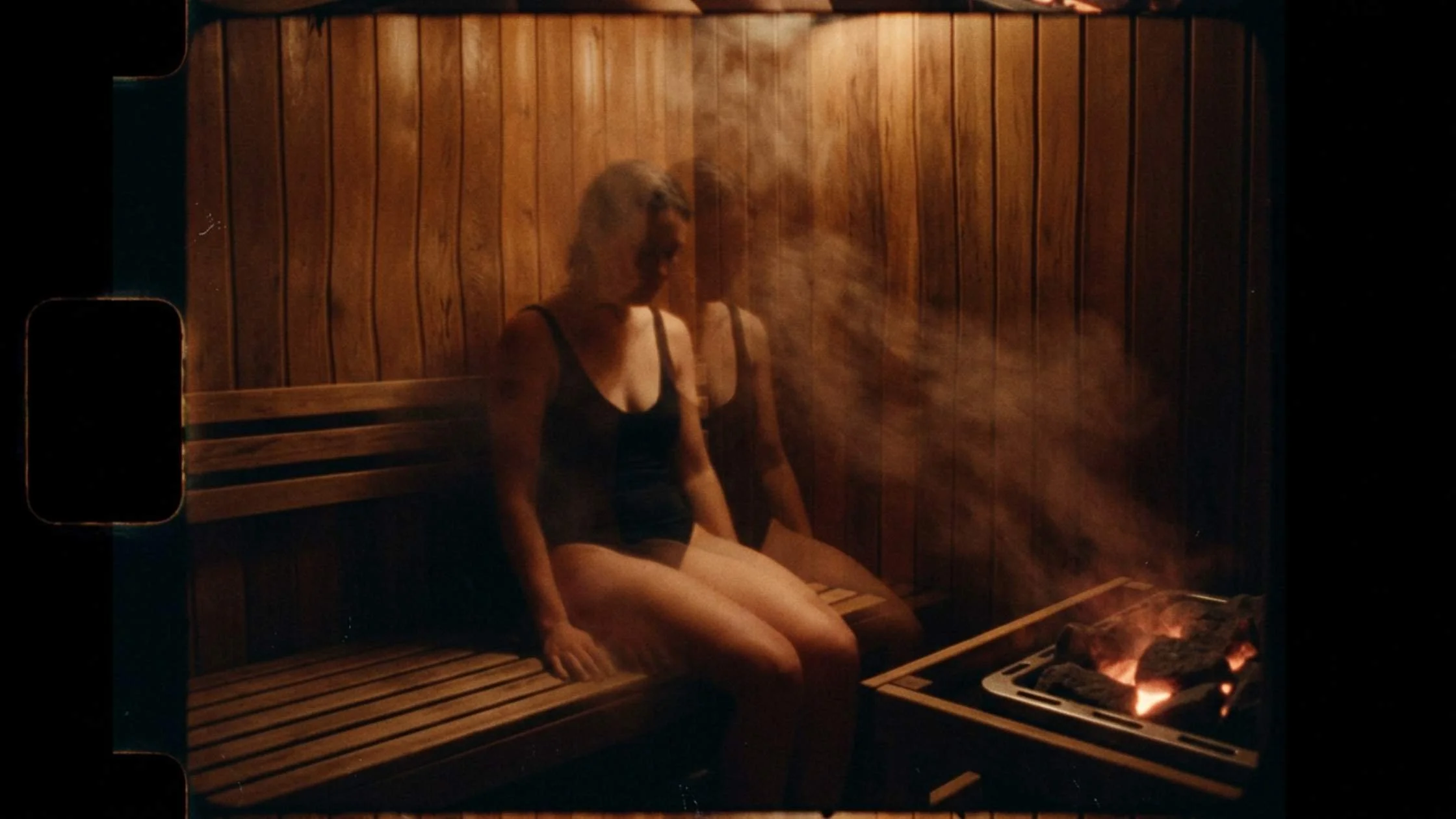
A sauna session at 80-100°C triggers physiological responses that mirror a controlled fever. This is not coincidental. Your body raises temperature during infection precisely because heat enhances immune cell motility, accelerates cytokine signalling, and creates a hostile environment for many pathogens. Sauna exposure activates these same mechanisms without the pathogen:
HSP70 upregulation: Intracellular HSP70 rises significantly, improving antigen presentation to T-cells and enhancing the adaptive immune response.
Increased white blood cell count: Studies show elevated neutrophil, lymphocyte, and monocyte counts following sauna sessions, with effects persisting for hours post-exposure.
Improved immune surveillance: Extracellular HSPs act as danger signals, alerting the immune system to potential threats and priming dendritic cells for faster pathogen recognition.
Reduced respiratory infection incidence: A longitudinal Finnish study found that participants using a sauna 4-7 times per week had significantly lower rates of respiratory illness and pneumonia compared to once-weekly users.
Source: Laukkanen et al. (2018) Mayo Clinic Proceedings; Laukkanen & Kunutsor (2024) Temperature
The Fever-Mimicking Mechanism
Sauna exposure leverages the same immune-priming mechanisms your body uses during infection, without the pathogen. You get the immune rehearsal without the illness. This is why the longitudinal data on sauna use and respiratory infection rates is so compelling: regular sauna users are not just managing symptoms, they are maintaining a higher state of adaptive immune readiness.
Ice Bath vs Sauna for Immunity: The Direct Comparison
Both modalities boost immune function, but through fundamentally different pathways. The table below distils the key distinctions to help you deploy each modality precisely.
| Factor | Ice Bath (Cold Exposure) | Sauna (Heat Exposure) |
|---|---|---|
| Primary proteins activated | Cold shock proteins (RBM3, CIRP) | Heat shock proteins (HSP70, HSP90) |
| Key neurotransmitter | Noradrenaline (200-300% increase) | Noradrenaline + growth hormone |
| Immune cell response | NK cell activation, leukocyte mobilisation | Elevated WBC count, enhanced antigen presentation |
| Inflammation effect | Acute anti-inflammatory shift | Short-term pro-inflammatory, long-term anti-inflammatory |
| Best for | Innate immunity, acute immune vigilance | Adaptive immunity, long-term resilience |
| Optimal temperature | 2–6°C | 80–100°C |
| Optimal duration | 2–6 minutes | 15–20 minutes |
| Frequency for immune benefits | 3–5 sessions per week | 4–7 sessions per week |
| Sources: Sramek et al. (2000) Eur J Appl Physiol; Buijze et al. (2016) PLOS ONE (n=3,018 RCT); Laukkanen et al. (2018) Mayo Clinic Proceedings; Cain et al. (2025) PLOS ONE meta-analysis. | ||
The takeaway is clear. Cold exposure excels at sharpening innate immunity: the first-responder system that intercepts pathogens before they establish infection. Heat exposure strengthens adaptive immunity: the slower, more targeted system that remembers threats and builds lasting defence. An immune system firing on both cylinders is one that rarely lets anything through.
Contrast Therapy: The Case for Using Both
If cold and heat strengthen different branches of the immune system, the logical question is whether combining them produces a synergistic effect. The emerging evidence on contrast therapy and immunity suggests it does.
How Contrast Therapy Amplifies Immune Function
Alternating between cold and heat creates a phenomenon known as vascular gymnastics. Blood vessels rapidly constrict and dilate, flushing lymphatic fluid and accelerating immune cell trafficking throughout the body. This repeated vasomotor cycling:
Enhances lymphatic drainage, which is critical for immune cell communication and waste removal
Triggers both CSP and HSP expression within a single session
Elevates noradrenaline and endorphin levels beyond what either modality achieves alone
Reduces systemic inflammation markers while maintaining acute immune readiness
The protocol works harder when you sleep deeper
Cold and heat train your immune system. Sleep is where the adaptation actually happens.
Magnesium glycinate is the most bioavailable form for sleep quality and muscle recovery. Most Australians are deficient. It is the supplement most commonly stacked alongside a cold and heat protocol.
View on AmazonA Practical Contrast Protocol for Immunity
For those with access to both an ice bath and a sauna, the following protocol offers a strong evidence-informed foundation:
Start: Sauna at 80-85°C for 15 minutes. Allow core temperature to rise and HSP expression to initiate.
Transition: Ice bath at 3-5°C for 2-3 minutes. Maximises the vasoconstrictive response and triggers CSP activation.
Return: Sauna for 10 minutes. The rewarming phase amplifies blood flow and immune cell redistribution.
Finish: Final cold immersion of 1-2 minutes. Ending cold leaves the sympathetic nervous system primed and noradrenaline elevated.
Rest: 10 minutes at room temperature. Allow the body to recalibrate without external thermal stress.
Performed three to four times per week, this protocol targets both innate and adaptive immune pathways in a single session.
Frequently Asked Questions
Can cold water immersion make you sick if your immune system is already compromised?
Cold exposure is a stressor, and stress is only beneficial when it falls within your capacity to recover. If you are actively fighting an infection, running a fever, or significantly immunocompromised, cold water immersion can divert resources away from active immune defence. The immune benefits of cold exposure are preventive and adaptive: they come from consistent practice when you are healthy, not from plunging when you are already unwell.
How long does it take for cold or heat exposure to measurably improve immunity?
Measurable changes in immune markers, including elevated NK cell counts, improved white blood cell profiles, and reduced inflammatory cytokines, have been observed within two to four weeks of consistent practice. The Buijze et al. (2016) RCT documented significant reductions in sickness absence after just 30 days across 3,018 participants. Sauna studies show cumulative benefits that strengthen over months and years. Consistency matters far more than intensity.
Is a sauna or ice bath better for preventing colds and flu?
Both modalities reduce the incidence of respiratory infections through different mechanisms. Sauna use has stronger longitudinal evidence for reducing pneumonia and upper respiratory infections, likely due to its fever-mimicking effect on adaptive immunity. Cold exposure has stronger evidence for acute immune vigilance and reducing sickness absence. For comprehensive protection, using both modalities, either separately or as contrast therapy, provides the broadest immune coverage.
Does the temperature of the ice bath matter for immune benefits?
Yes. Research indicates that water temperatures between 2°C and 10°C are effective for triggering noradrenaline release and cold shock protein expression. Below 2°C, the risk of cold injury increases without proportional immune benefit. Above 15°C, the thermal stress is generally insufficient to trigger meaningful CSP expression or significant noradrenaline elevation. The physiological sweet spot for most people sits between 3°C and 6°C.
Can I use contrast therapy every day?
You can, provided you listen to your body and maintain adequate hydration and nutrition. Many high-performance individuals use daily contrast therapy during heavy training blocks. For general immune support, three to five sessions per week is typically sufficient. If you notice signs of excessive stress, disrupted sleep, persistent fatigue, or elevated resting heart rate, scale back frequency and prioritise recovery.
Final Thoughts
The question of ice bath vs sauna for immunity is not one of either-or. It is a question of which immune pathway you want to prioritise, and whether you are willing to practise consistently enough for the adaptations to compound.
Cold shock proteins sharpen your first line of defence. Heat shock proteins deepen your long-term resilience. Contrast therapy bridges the gap between both. None of these benefits are theoretical. They are measurable, reproducible, and available to anyone willing to step into deliberate discomfort on a regular basis.
At Ritual Recovery, we build equipment for people who take this seriously. Precise temperature control, medical-grade filtration, and purpose-built engineering are not luxuries. They are the variables that determine whether your cold exposure is consistent enough to produce real immune adaptation, or just an occasional shock with no lasting benefit. Your immune system does not reward novelty. It rewards ritual.
Your immune system rewards ritual, not novelty
The protocol only works if the temperature is consistent every single session.
Ritual Recovery ice baths hold within 0.5°C so the cold shock protein response is identical on day one and day three hundred.
Shop Ice Baths