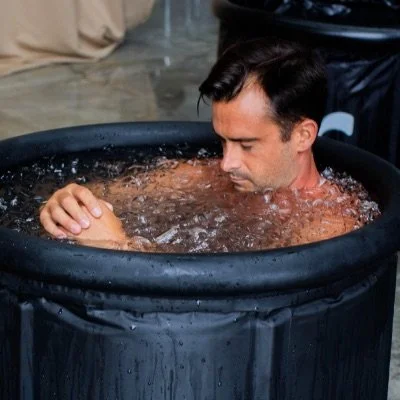
The Best Supplements to Take Before and After an Ice Bath (What the Science Says)
Cold and heat therapy are two of the most effective recovery and wellness tools available. They work by stressing the body in a controlled, deliberate way, triggering adaptation, hormonal response, and autonomic remodelling. But like any form of physiological stress, what you do around the session matters almost as much as the session itself.
The right supplement stack does not replace your ice bath or sauna. It amplifies it. It fills the nutritional gaps that regular thermal cycling creates, supports the specific biological processes your protocol is driving, and ensures your body has the raw materials it needs to adapt and recover properly.
Every supplement in this article is chosen based on peer-reviewed mechanistic evidence, not marketing. All are available on Amazon Australia. None require a prescription.
One important note before we start: this article is for informational purposes only. If you are on medication or have any underlying health condition, speak to your GP before starting any new supplement.
All products available on Amazon Australia with same or next-day delivery on eligible orders. Affiliate links used. Always consult a healthcare professional before starting any new supplement protocol.
Why Your Ice Bath and Sauna Create Specific Nutritional Demands
Most people think about supplements in the context of gym training. Ice bath and sauna users face a different and underappreciated set of demands.
A 30-minute sauna session at 73 degrees Celsius can deplete 0.5 to 1.5 litres of fluid per hour, carrying with it significant quantities of sodium, potassium, and magnesium. Regular cold exposure shifts autonomic balance, drives norepinephrine release, and over time trains vagal tone, all of which have downstream effects on sleep quality and nervous system recovery. Contrast therapy creates rapid cardiovascular oscillation that places real demands on cardiac and musculoskeletal tissue.
The supplements below are selected specifically because they interface with these mechanisms. Each one either replenishes what the protocol depletes, or enhances the specific adaptations the protocol is designed to drive.
Relevance scores are editorial assessments based on peer-reviewed mechanistic evidence, not a substitute for individualised medical advice. Affiliate links used.
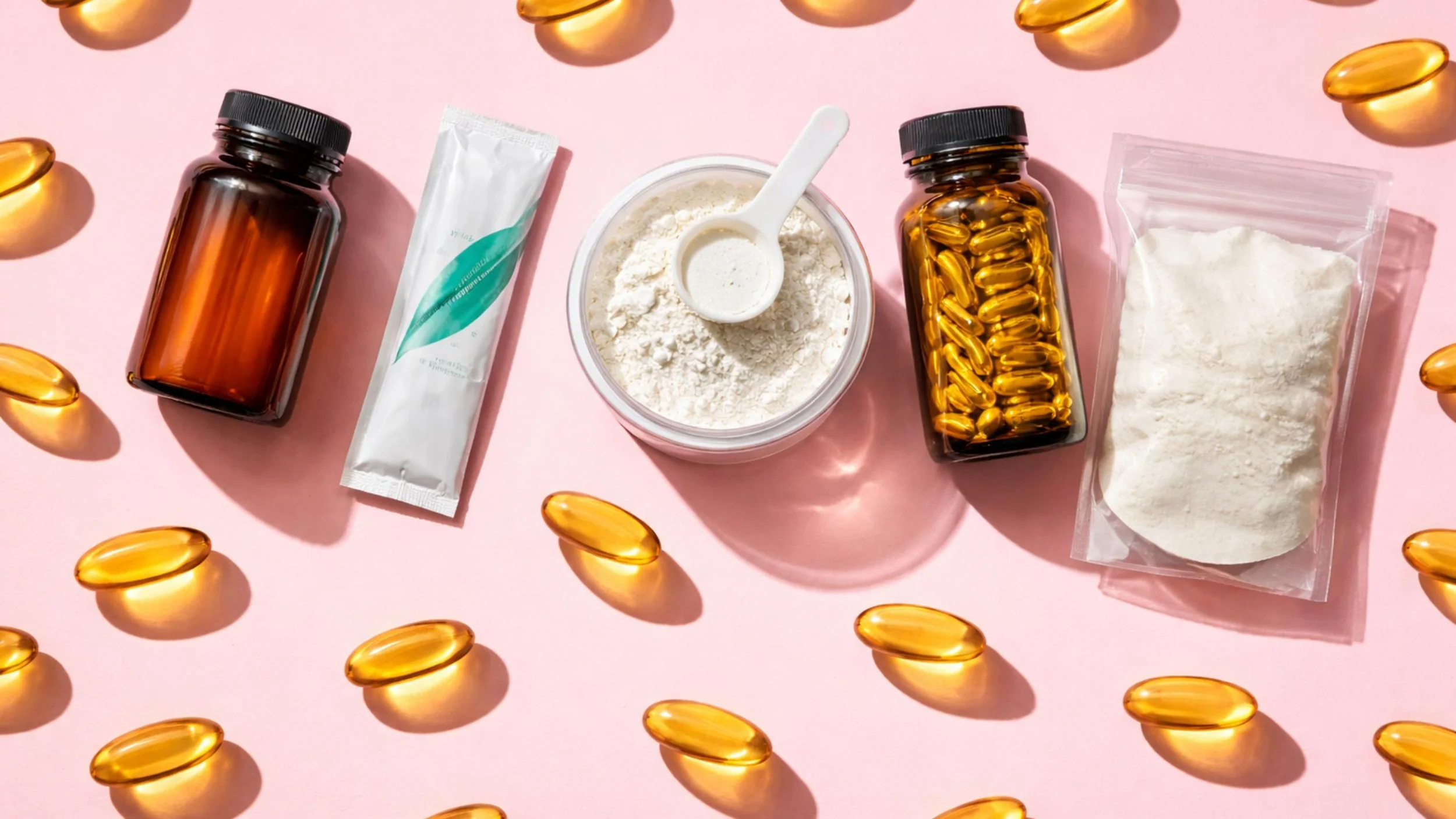
The 5 Supplements Worth Taking
1. Magnesium Glycinate
The mechanism: Magnesium is involved in over 300 enzymatic reactions in the body, including muscle relaxation, GABAergic neurotransmission, NMDA receptor modulation, ATP energy production, and HRV regulation. It is the foundational recovery mineral.
Why it matters for thermal therapy: Both sauna and cold exposure drive autonomic nervous system shifts. Magnesium directly supports parasympathetic recovery, the rest-and-digest state your body needs to convert the stress of cold or heat exposure into positive adaptation. Magnesium deficiency, which affects a significant proportion of the population, is directly associated with shortened sleep duration, elevated cortisol, and impaired HRV.
A 2025 randomised, double-blind, placebo-controlled trial involving 155 adults with poor sleep quality tested magnesium bisglycinate at 250mg elemental magnesium daily. The trial found a statistically significant reduction in Insomnia Severity Index scores compared to placebo, with most improvements occurring within the first 14 days and sustained throughout the 4-week study period.
Why glycinate specifically: Magnesium oxide, the cheap form found in most supermarket supplements, absorbs at roughly 4%. Magnesium glycinate absorbs at 40-80%. The glycine component also independently supports sleep through thermoregulatory and NMDA receptor pathways, making the combination particularly effective for overnight recovery.
Dose and timing: 200-400mg elemental magnesium, taken 30-60 minutes before bed. Start at the lower end and assess tolerance.
2. Electrolytes (Sodium, Potassium, Magnesium)
The mechanism: Electrolytes are electrically charged minerals that govern fluid balance, nerve signalling, muscle contraction, and cardiovascular function. You cannot hold onto the water you drink without adequate sodium. Plain water alone after heavy sweating can actually dilute remaining electrolytes, worsening recovery in a condition known as hyponatremia.
Why they matter for thermal therapy: A sauna session causes average sweat losses of 0.5-1.5 litres per hour. Research data suggests average sweat contains roughly 800-1,200mg of sodium per litre. Lose two litres in a long session and you have lost up to 2.4g of sodium before accounting for potassium and magnesium. At that level of depletion, without replacement, you will experience fatigue, reduced mental clarity, muscle cramps, and a blunted recovery response.
A study published in Acta Physiologica Scandinavica found noticeable drops in serum sodium, potassium, and iron after repeated sauna sessions, contributing to heart rate increases and metabolic surges that underline how significant the electrolyte demand of regular sauna use really is.
Practical protocol: Consume 30-60 minutes before sauna sessions. Replace within 30 minutes after. Look for a formula with at least 500-1000mg sodium, 200mg potassium, and 60mg magnesium per serving. LMNT is the most widely cited brand in the thermal therapy community for its clinical-grade sodium levels and zero sugar formula.
3. Creatine Monohydrate
The mechanism: Creatine is one of the most extensively researched supplements in existence. It increases the availability of phosphocreatine in muscle and brain tissue, accelerating ATP regeneration during high-intensity effort and providing an energy buffer during periods of physiological stress including heat exposure, sleep deprivation, and intense training.
Why it matters for thermal therapy: The connection between creatine and cold or heat therapy is less obvious but increasingly well-supported. First, creatine stored in muscle tissue draws water into muscle cells, which supports intramuscular hydration during heat exposure. Second, and more relevantly for most practitioners, creatine has demonstrated cognitive protective effects specifically under conditions of physiological stress.
A 2025 randomised, double-blind, placebo-controlled crossover trial found that 7 days of creatine monohydrate loading at 20g per day improved attention, cognitive processing speed, and executive functioning in well-rested physically active males. A separate body of research demonstrates these effects are amplified under stress states such as sleep deprivation, precisely the condition that heavy training, travel, or inconsistent recovery creates.
The training timing consideration: One important nuance: creatine should not be taken immediately before strength training sessions where muscle hypertrophy is the goal, as cold water immersion post-resistance training has been shown to blunt anabolic signalling. Use creatine as a daily background supplement rather than a session-specific one.
Dose and timing: 3-5g of creatine monohydrate daily, any time of day. Consistency matters more than timing. No loading phase is necessary for most people, though a short loading phase of 20g per day for 5-7 days accelerates saturation.
4. Omega-3 Fish Oil (EPA and DHA)
The mechanism: Omega-3 polyunsaturated fatty acids, specifically EPA and DHA, are precursors to resolvins and protectins, bioactive molecules that actively resolve inflammation rather than simply suppressing it. They reduce NF-kB pathway activation, decrease pro-inflammatory cytokine production including IL-6 and TNF-alpha, and support cardiovascular function through effects on endothelial health and blood triglycerides.
Why they matter for thermal therapy: Cold water immersion after high-intensity exercise reduces creatine kinase levels and delayed onset muscle soreness. Omega-3 works through a complementary pathway, reducing the systemic inflammatory burden that accumulates with regular hard training. Together they address both the acute local response (ice bath) and the systemic background inflammation (omega-3).
A systematic review of omega-3 supplementation on post-exercise inflammation found significant improvements in perceived muscle soreness and decreased IL-6 in the omega-3 group, with fish oil capsules at 3g per day showing the most consistent effects. EPA specifically appears to be the more active anti-inflammatory component, with studies showing squat jump performance benefits from high-EPA formulations that low-EPA equivalents did not produce.
One caveat: Omega-3 is a long-term supplement, not an acute one. Benefits build over 4-8 weeks of consistent daily intake as membrane phospholipid composition shifts. Do not expect immediate effects.
Dose and timing: 2-3g of combined EPA plus DHA daily, taken with meals to improve absorption and reduce the chance of fishy aftertaste. Always store in the fridge after opening to prevent oxidation.
5. Collagen Peptides with Vitamin C
The mechanism: Collagen is the most abundant protein in the human body, making up the structural matrix of tendons, ligaments, cartilage, skin, and fascia. Unlike muscle protein synthesis, collagen synthesis is specifically stimulated by a combination of collagen hydrolysate and vitamin C, and is most active in the hour or two following mechanical loading or thermal stress.
Why it matters for thermal therapy: Both sauna and cold therapy place real demands on connective tissue, particularly for people using thermal cycling as part of an athletic training protocol. Sauna heat promotes heat shock protein synthesis, which supports cellular repair. Cold reduces acute inflammatory swelling in connective tissue. But neither modality provides the amino acid substrate needed for collagen synthesis. That requires dietary intervention.
The mechanism is well-established: vitamin C is a required cofactor for the enzyme prolyl hydroxylase, which catalyses the hydroxylation of proline residues essential for stable collagen triple helix formation. Without adequate vitamin C, collagen synthesis stalls regardless of how much collagen peptide substrate is available. The combination of both, taken approximately 30-60 minutes before a session that involves mechanical loading or immediately after thermal exposure, appears to maximise the collagen synthesis window.
Additional benefit for sauna users: Collagen provides structural support for skin elasticity. Regular sauna users often report improvements in skin quality over time, and adequate collagen substrate supports this.
Dose and timing: 10-15g of collagen peptides combined with 500mg of vitamin C. Best taken in the morning or 30-60 minutes before a training session that precedes your ice bath or sauna.
What You Do Not Need
The supplement industry targets athletes and wellness enthusiasts with an enormous range of products that have weak evidence bases. A few specific categories worth avoiding or approaching with scepticism in the context of thermal therapy:
Pre-workout stimulants before sauna: Caffeine is a diuretic. Taking a high-caffeine pre-workout before a sauna session accelerates fluid loss and raises heart rate above the already elevated sauna baseline. If you use caffeine, take it well before the session, not immediately before.
BCAAs for recovery: The evidence for BCAA supplementation in the presence of adequate dietary protein is weak. If you are hitting your protein targets through food, BCAAs are redundant. Whole protein sources provide all essential amino acids with better absorption kinetics.
Antioxidant megadosing: High-dose antioxidant supplements (vitamin E, vitamin C at very high doses, NAC) taken immediately before or after cold therapy may blunt the adaptation signal. Cold exposure works partly by producing a hormetic stress response. Aggressively quenching reactive oxygen species before the body has had time to upregulate its own antioxidant defences can reduce the training effect.
The Stack in Practice
For a typical day involving an ice bath or sauna session, a practical supplement protocol looks like this:
Morning (daily): 3-5g creatine monohydrate with breakfast. 2-3g omega-3 with a meal.
30-60 min pre-session: Electrolyte drink before sauna specifically. 10-15g collagen plus 500mg vitamin C if training precedes the session.
Immediately post-session: Electrolyte drink to replace fluid and sodium lost in sweat.
30-60 min before bed: 200-400mg magnesium glycinate.
Total cost for the full stack runs approximately AUD $80-$120 per month at quality dosing levels. Creatine is the best value per dollar of effect at roughly $15-$25 for a month's supply. Magnesium and electrolytes follow closely. Omega-3 and collagen are the higher-cost items but both address long-term tissue health that no amount of thermal cycling alone can substitute for.
The Bottom Line
Cold and heat therapy are genuinely powerful tools. But they are stressors, not magic. They work by creating a demand that the body adapts to, and like any form of training, that adaptation requires raw materials.
Electrolytes replace what the sessions deplete. Magnesium glycinate supports the overnight recovery that determines whether the adaptation is captured. Creatine provides the cognitive and physical energy buffer that makes consistency sustainable. Omega-3 manages the systemic inflammatory load. Collagen supports the connective tissue that handles the long-term mechanical demands of regular practice.
None of these are exotic. They are the unsexy fundamentals that the research consistently supports, and they are all available on Amazon Australia for next-day delivery.