Cold Plunge vs Ice Bath: What the Difference Actually Means for Serious Buyers in Australia
The terminology gets conflated constantly in wellness marketing. Cold plunge. Ice bath. Cold water immersion. Cold therapy tub. These terms are often used interchangeably, but they describe materially different products with different use cases, cost profiles, and long-term performance characteristics.
If you are researching this topic, you are likely preparing to make a significant investment in a recovery system. Understanding the real distinction will help you make the right decision the first time.
The Terminology Breakdown
What Is an Ice Bath?
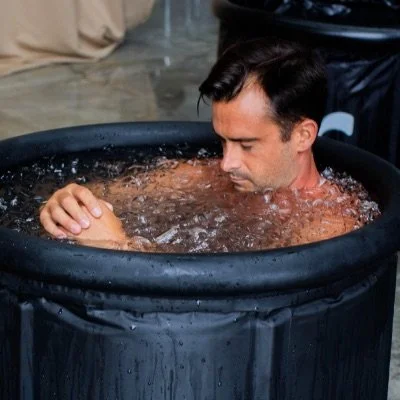
An ice bath in its original form is exactly what it sounds like: a vessel filled with water, cooled with ice. Historically, this meant bathtubs, industrial bins, or purpose-built tubs like our Stoic portable ice bath where ice was added manually before each use.
The term "ice bath" now describes any cold water immersion vessel, regardless of whether it uses ice or an active cooling system. The term has become generic.
What Is a Cold Plunge?
A cold plunge typically refers to a purpose-built vessel with an integrated or external active chiller system that maintains a set water temperature without requiring ice. Cold plunge units cycle water through a filtration and cooling system, maintaining consistent temperature between 3 and 20 degrees Celsius depending on user protocol.
The critical differentiator is the chiller: a cold plunge is a permanent, temperature-controlled recovery system. An ice bath in its traditional form is a temporary, resource-intensive setup.
Why the Distinction Matters for Daily Practice
Research on the therapeutic effects of cold water immersion, including Dr. Søberg's work on cold thermogenesis and Andrew Huberman's analysis of dopamine and norepinephrine response, assumes consistent temperature exposure.
The Søberg Protocol, for example, specifies 11 minutes per week total at a consistent sub-15 degree temperature.
You cannot maintain protocol consistency with manual ice.
Ice melts, temperature drifts, and the logistical burden of sourcing and loading ice eventually degrades compliance. A chiller-equipped cold plunge eliminates that variable.
Head-to-Head Comparison: Cold Plunge Systems vs Manual Ice Bath Setups
| Feature | Manual Ice Bath | Chiller Cold Plunge |
|---|---|---|
| Temperature Control | Inconsistent, drift over session | Precise, digitally maintained |
| Daily Use Feasibility | Logistically demanding | Ready-to-use within minutes |
| Ongoing Cost | $30-80/week in ice (daily use) | Electricity only (~$1-3/day) |
| Hygiene | Water changed each use | Filtered and maintained |
| Setup Time Per Session | 20-40 minutes | 2-3 minutes |
| Installation Permanence | Temporary or portable | Permanent, adds property value |
| Protocol Compliance | Inconsistent | High |
| 5-Year Total Cost (AUD) | $8,000 - $15,000+ | $5,000 - $10,000 |
The True Cost of Manual Ice Over Time
This calculation surprises most buyers who use upfront cost as their primary decision criterion.
A daily ice bath using commercially purchased ice in Australia costs between $5 and $15 per session depending on your source and the volume required for your vessel. At $10 average across 365 days, that is $3,650 annually in ice alone. Over five years, that is over $18,000 spent on a resource you cannot recover.
A chiller-equipped cold plunge at $5,000 to $7,000 upfront runs on electricity, consuming approximately 1 to 2 kilowatt-hours per day depending on ambient temperature and insulation. At current Australian electricity rates, that is roughly $1.50 to $3 per day, or $550 to $1,100 annually. Over five years, total operating cost is $2,750 to $5,500 on top of the initial purchase.
The maths consistently favours a permanent chiller installation for anyone committed to daily or near-daily cold practice.
What Protocol Are You Running?
Before selecting your setup, clarify your intended use pattern. This determines the correct product specification.
For Occasional Use (1-3 times per week)
A quality portable or semi-permanent unit without a chiller can work if you are disciplined about ice logistics. The Centurion Ice Bath without chiller integration is a viable entry point for this use pattern.
For Daily Use and Performance Protocols
If you are running the Søberg Protocol, Huberman's cold exposure recommendations, or a structured athletic recovery program, a chiller is not optional. Temperature consistency directly determines protocol efficacy. Without consistent temperature, you cannot accurately assess dose-response relationships or track adaptation over time.
The Centurion Ice Bath with chiller integration is designed for this use case.
For Commercial or Multi-User Environments
Gyms, recovery studios, and luxury residential developments require commercial-grade filtration, continuous chiller operation, and materials that withstand high-volume use. Ritual Recovery's commercial specifications are available on request.
Cold Plunge Temperature: What the Research Actually Supports
The most widely cited evidence-based protocols suggest:
Cold water immersion at 10 to 15 degrees Celsius for 2 to 4 minutes per session produces meaningful autonomic nervous system response, dopamine elevation, and peripheral inflammation reduction. Research from the Norwegian University of Science and Technology and Maastricht University supports cold exposure at sub-15 degrees for metabolic brown fat activation.
The key variable in all of this research is temperature precision. Protocols are described in degrees, not in "how much ice you threw in."
A chiller-equipped cold plunge is the only setup that allows you to replicate protocol conditions accurately.
Objection: "Can I Start With an Ice Bath and Upgrade Later?"
Yes, and this is a reasonable approach for buyers who are still establishing their cold practice.
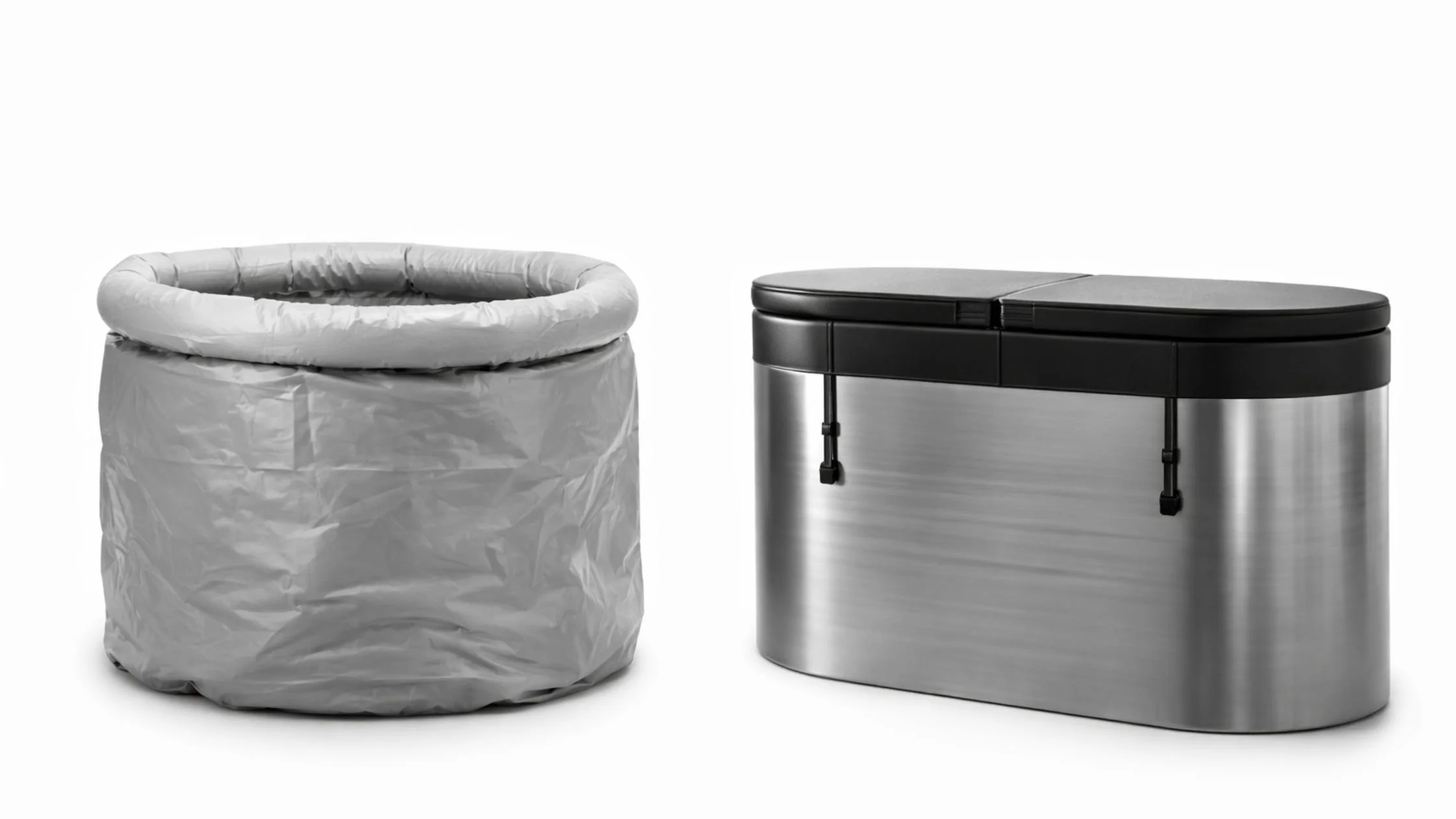
The important consideration is whether your initial unit is compatible with a chiller retrofit. Some purpose-built stainless steel tubs can be paired with an external chiller unit after initial purchase. Inflatable or plastic units cannot.
If you intend to upgrade, purchase a permanent vessel from the outset, even without the chiller. This avoids a complete replacement cost down the line.
Ask our team about chiller compatibility and staged purchase options.
The Bottom Line
Cold plunge and ice bath describe a spectrum of products from a $99 inflatable to a $7,000 permanent stainless steel installation with active chiller. What sits in the middle of that range, the $800 to $1,500 plastic portable category, is frequently the worst value proposition: expensive enough to feel like an investment, cheap enough to fail within two years.
Serious buyers who intend to make cold exposure a long-term practice should build from the top down: start with a specification that supports permanent installation, protocol precision, and daily use without friction.
We have options for both, the choice is yours Buy your tub alone for more budget set ups or buy the full system for automated ice bath therapy at home.
View our ice bath range and request a quote for your installation.