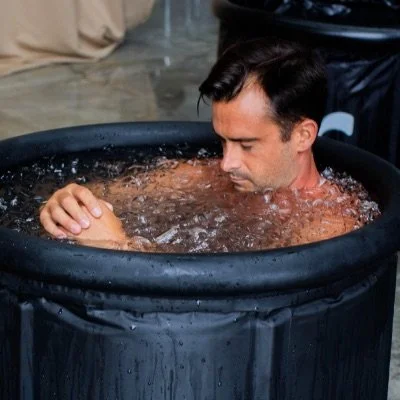
Ice Bath Benefits for MMA Fighters: Inflammation Control
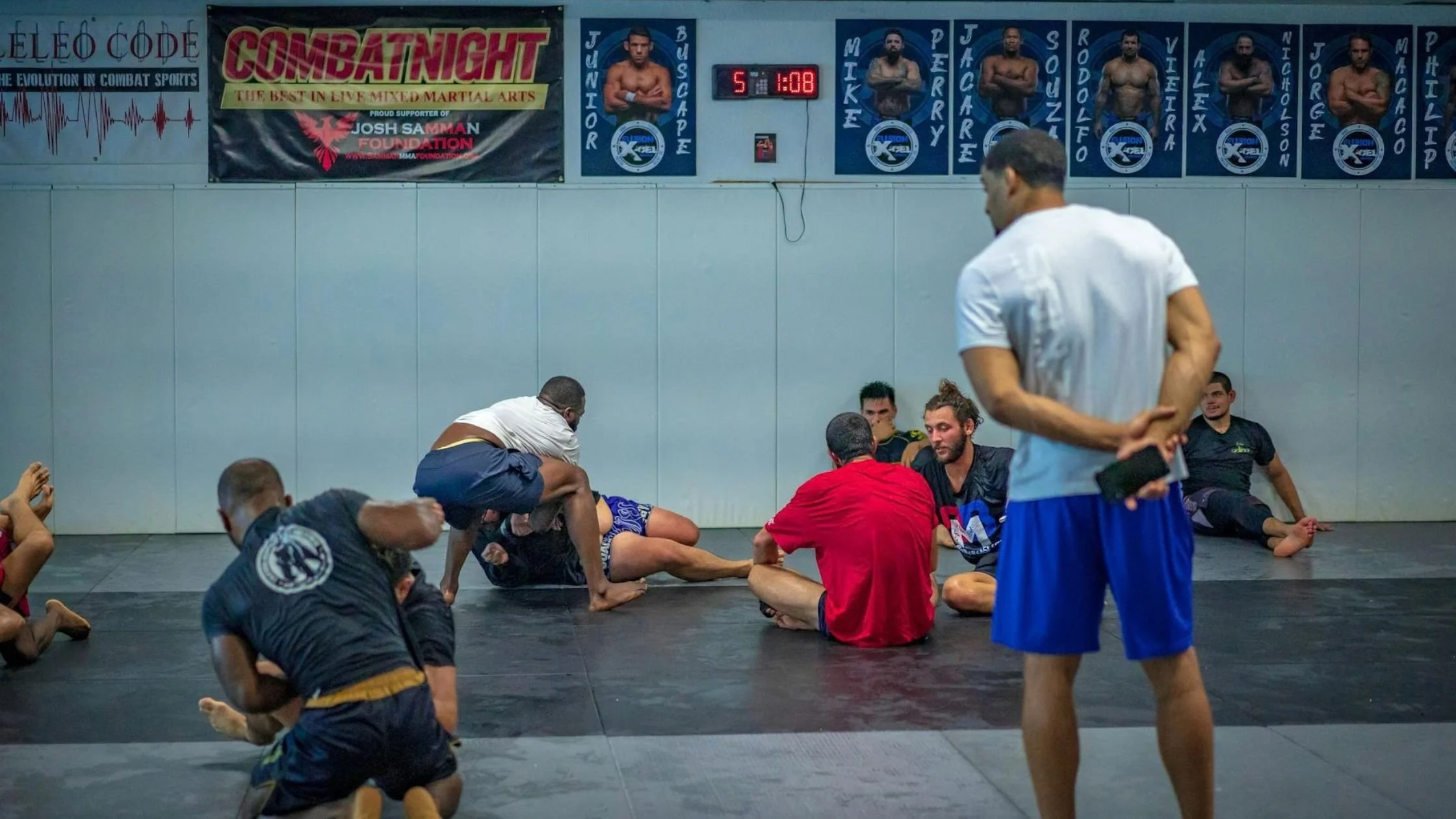
You have just finished five hard rounds of sparring. Your shins are bruised, your shoulders are swollen, and your hands feel like they have been slammed in a door. Tomorrow, you are supposed to wrestle. The day after that, strength and conditioning. The ice bath benefits for MMA fighters are not theoretical — they are the difference between showing up ready and showing up broken.
Mixed martial arts is unlike any other sport on earth. You are not just running or lifting or swimming.
You are absorbing impact, generating explosive force from every angle, and doing it all while another human being is trying to submit you.
The inflammatory load that builds across a training camp — and especially between camps — is staggering. And if you do not have a strategy to manage it, your body will make the decision for you.
Cold water immersion has become one of the most widely adopted recovery tools in combat sports. Not because it is trendy. Because it works. And in this guide, you will learn exactly how it works, when to use it, and how to build a protocol that keeps you training at the intensity your sport demands.
Why MMA Fighters Accumulate More Inflammation Than Any Other Athlete
Inflammation is your body's natural response to tissue damage. In small doses, it is essential. It signals repair. It initiates healing. But in MMA, you are not dealing with small doses.
A single training session can involve striking drills that bruise soft tissue, grappling exchanges that strain ligaments, and conditioning circuits that create deep muscular micro-tears. Stack those sessions five or six days a week across an eight-to-twelve-week camp, and you are looking at chronic systemic inflammation that never fully resolves before the next bout of damage arrives.
The Unique Inflammatory Profile of Combat Sports
Unlike endurance athletes, who deal primarily with repetitive strain, or team sport athletes, who experience periodic high-impact collisions, MMA fighters face both. Simultaneously. Every session.
Striking creates blunt force trauma. Wrestling and jiu-jitsu create joint compression and torsional stress. Strength work adds eccentric loading on top of already damaged tissue. The result is a compounding inflammatory cycle that affects not just your muscles, but your joints, fascia, and central nervous system.
What Happens When Inflammation Goes Unchecked
Unchecked chronic inflammation leads to a predictable cascade. Sleep quality drops. Reaction time slows. Pain thresholds decrease. You start pulling out of sparring rounds early, not because you lack heart, but because your body is in a state of persistent alarm.
Research published in the British Journal of Sports Medicine has shown that elevated inflammatory markers like C-reactive protein and interleukin-6 correlate directly with overtraining syndrome — a condition that can sideline fighters for months. The goal is not to eliminate inflammation entirely. It is to control it so your body can recover and adapt between sessions.
The Science Behind Ice Bath Benefits for MMA Fighters
Cold water immersion works through several well-documented physiological mechanisms. Understanding these mechanisms helps you use the tool strategically rather than blindly.
Vasoconstriction and the Inflammatory Flush
When you submerge in cold water — typically between 2°C and 10°C — your blood vessels constrict rapidly. This reduces blood flow to damaged tissue, which slows the inflammatory process and limits the accumulation of metabolic waste products like lactate and prostaglandins.
Once you exit the bath and your body begins to rewarm, vasodilation occurs. Fresh, oxygenated blood rushes back into the affected tissues, carrying nutrients essential for repair. Think of it as a pump mechanism — you are flushing out the debris of training and replacing it with the raw materials for recovery.
Central Nervous System Recovery
This is the benefit most fighters underestimate. MMA training is neurologically exhausting. The constant threat assessment during sparring, the rapid decision-making, the fine motor control required for submissions — all of it taxes your central nervous system heavily.
Cold water immersion activates the parasympathetic nervous system, shifting your body from a sympathetic-dominant state — fight or flight — into recovery mode. Studies in the Journal of Science and Medicine in Sport have demonstrated that cold immersion post-training significantly reduces perceived fatigue and improves next-day readiness in combat sport athletes.
Pain Modulation and Analgesic Effects
Cold exposure triggers a significant release of norepinephrine, a neurotransmitter that plays a key role in pain modulation. A single immersion session can increase circulating norepinephrine by up to 200 to 300 percent. For fighters carrying the accumulated bruising and joint soreness of a full camp, this analgesic effect is not a luxury. It is what allows you to train the next day.
"The fighters who last longest in this sport are not the ones who train the hardest. They are the ones who recover the smartest. Cold water immersion is one of the few tools that addresses inflammation, nervous system fatigue, and pain simultaneously." — Dr. James Lee, Sports Medicine Physician, Sydney Sports and Exercise Medicine Centre
"The fighters who last longest in this sport are not the ones who train the hardest. They are the ones who recover the smartest. Cold water immersion is one of the few tools that addresses inflammation, nervous system fatigue, and pain simultaneously." — Dr. James Lee, Sports Medicine Physician, Sydney Sports and Exercise Medicine Centre
Inflammation Control Between Training Camps
| Training Phase | CWI Frequency | Temperature | Duration | Primary Goal |
|---|---|---|---|---|
| Base Phase Between Camps |
3–4 times per week | 10–15°C | 8–12 minutes | Chronic inflammation resolution |
| Build Phase Early Camp |
4–5 times per week | 5–10°C | 5–10 minutes | Session-to-session recovery |
| Intensity Phase Peak Camp |
5–7 times per week | 2–8°C | 3–8 minutes | Acute inflammation control and CNS recovery |
| Taper Phase Fight Week |
1–2 times | 10–12°C | 5–8 minutes | Nervous system regulation, sleep quality |
| Post-Fight Recovery |
Daily for 5–7 days | 10–15°C | 10–15 minutes | Trauma recovery, systemic inflammation reduction |
CWI = Cold Water Immersion. Temperature ranges assume a quality chiller with precise control — inconsistent temps compromise protocol integrity.
Most conversations about MMA recovery ice bath protocols focus on the camp itself. But the period between camps — when you are maintaining fitness, sharpening skills, and allowing accumulated damage to heal — is arguably more important.
The Between-Camp Recovery Window
Between camps, your body has a rare opportunity to fully resolve chronic inflammation and repair structural damage. The problem is that most fighters either train too hard during this period, maintaining the inflammatory load, or rest completely and lose the fitness they built.
Cold water immersion for martial arts recovery offers a middle path. It allows you to continue training at moderate intensity while actively controlling the inflammatory environment in your body. You stay sharp without accumulating the damage that leads to overtraining.
Periodising Your Cold Water Immersion Protocol
Just as you periodise your training, you should periodise your cold exposure. The table below outlines a framework used by elite combat sport athletes in Australia and internationally.
Notice how the protocol shifts across phases. Between camps, the focus is on longer, slightly warmer immersions that promote sustained anti-inflammatory effects. As camp intensity increases, sessions become shorter and colder, targeting acute recovery between high-output training days.
Building an Ice Bath Protocol for Combat Sports
Knowing the science is one thing. Implementing a sustainable protocol around the chaotic schedule of an MMA fighter is another. Here is how to make cold water immersion work within the reality of your training life.
Timing Your Immersion Around Training
The most common mistake fighters make is treating every ice bath the same. Timing matters — significantly.
After sparring or high-impact sessions: Immerse within 30 minutes. The priority is reducing acute tissue inflammation and calming your nervous system after the sympathetic storm of combat simulation.
After strength training: Wait at least two to four hours, or save the ice bath for later in the day. Research suggests that immediate cold exposure after resistance training may blunt the hypertrophic signalling pathways you want active during a strength block.
On rest days: Use a moderate immersion (10–12°C for 8–10 minutes) as an active recovery tool. This is particularly effective between camps when your goal is systemic inflammation management.
Temperature Consistency: Why Guesswork Fails
One of the biggest variables in cold water immersion effectiveness is temperature consistency. Dumping bags of ice into a bathtub gives you an uneven thermal environment — warm spots near the surface, freezing pockets near the bottom — and makes it nearly impossible to replicate the stimulus from session to session.
This is where purpose-built equipment makes a measurable difference. A quality chiller unit maintains your target temperature precisely, session after session, so you know exactly what stimulus your body is receiving. When you are managing inflammation across months of training, that consistency compounds into a significant recovery advantage.
Duration and Depth of Immersion
For MMA fighters, full-body immersion up to the neck is ideal. You are dealing with inflammation across your entire kinetic chain — from your feet and calves (stance work, checking kicks) through your hips and core (grappling, rotation) to your shoulders, neck, and hands (clinch work, striking).
Partial immersion protocols miss too much of the body to deliver the systemic anti-inflammatory effect combat athletes need. If you are serious about inflammation control between training camps, you need a tub that allows full submersion.
When Not to Use Cold Water Immersion
No recovery tool is universally beneficial at all times. Smart fighters know when to step away from the ice bath.
The Adaptation Window After Strength Training
As mentioned above, immediate cold exposure after hypertrophy-focused strength work can interfere with the mTOR signalling pathway — a key driver of muscle protein synthesis. If you are in a phase where building strength and size is the priority, delay your immersion or skip it entirely on those training days.
Pre-Fight Warm-Up Periods
In the 24 hours before competition, avoid cold immersion. You want your nervous system primed and your tissues warm and responsive. The parasympathetic shift that makes ice baths so effective for recovery can work against you when you need maximum arousal and aggression.
When Injuries Require Medical Assessment
Cold water immersion is a recovery tool, not a treatment. If you suspect a fracture, significant ligament tear, or concussion, seek professional medical assessment before returning to any recovery protocol. Masking pain with cold exposure and continuing to train is how minor injuries become career-altering ones.
Frequently Asked Questions
How long should MMA fighters stay in an ice bath?
Most evidence supports immersions of 3 to 12 minutes depending on temperature and training phase. During peak camp at colder temperatures (2–8°C), shorter durations of 3 to 6 minutes are sufficient. Between camps at warmer temperatures (10–15°C), you can extend to 10 to 12 minutes for deeper systemic anti-inflammatory effects. The key is consistency over time rather than extreme single sessions.
Can ice baths replace other recovery methods like massage or compression?
No. Cold water immersion addresses inflammation and nervous system recovery exceptionally well, but it does not replace the mechanical benefits of soft tissue work, the fascial release of targeted massage, or the lymphatic drainage effects of compression therapy. The most effective recovery strategies for combat sport athletes layer multiple modalities. An ice bath for combat sports should be the foundation, not the entirety, of your recovery programme.
Is there a risk of getting sick from regular cold water immersion?
Short-duration cold immersion at controlled temperatures does not suppress immune function. In fact, regular cold exposure has been associated with modest improvements in immune markers. The risk increases when immersions are excessively long, when water hygiene is poor, or when athletes are already in a severely immunocompromised state from overtraining. Maintaining clean, filtered water in your ice bath is essential — another reason purpose-built recovery equipment outperforms improvised setups.
Should I use ice baths after every training session?
Not necessarily. During high-intensity camp phases, daily or near-daily immersions are appropriate. Between camps, three to four sessions per week is typically sufficient for inflammation control. The exception is after pure strength or hypertrophy sessions where you want the inflammatory response to drive adaptation. Listen to your body, track your readiness, and adjust frequency accordingly.
What water temperature is best for MMA recovery?
The research-supported sweet spot for most cold water immersion martial arts protocols sits between 5°C and 10°C. Temperatures below 5°C increase the risk of cold shock and offer diminishing returns for most athletes. Temperatures above 15°C may not provide sufficient vasoconstriction to meaningfully control inflammation. A reliable chiller unit that holds a consistent target temperature removes the guesswork entirely.
Ice Bath for MMA Takeaways
MMA is a sport that takes more from your body than almost any other athletic pursuit. The striking, the grappling, the relentless conditioning — every session adds to an inflammatory load that, left unmanaged, will eventually break you down. The fighters who compete at the highest level for the longest careers are the ones who take inflammation control between training camps as seriously as they take their skill work.
Cold water immersion is not a magic bullet. But it is one of the most effective, most accessible, and most well-researched recovery tools available to combat sport athletes. When implemented with the right protocol, the right timing, and the right equipment, it becomes a non-negotiable part of your preparation.
At Ritual Recovery, we build ice baths and chillers specifically for athletes who demand consistency, durability, and precision from their recovery equipment. Because when your sport asks this much of your body, your recovery setup should not be an afterthought. It should be as intentional as every other part of your training.