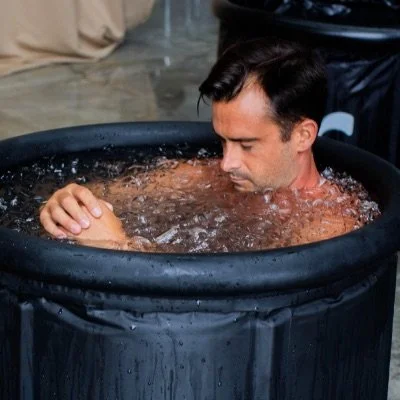
Ice Bath Benefits for Yoga: Nervous System Reset and Flexibility
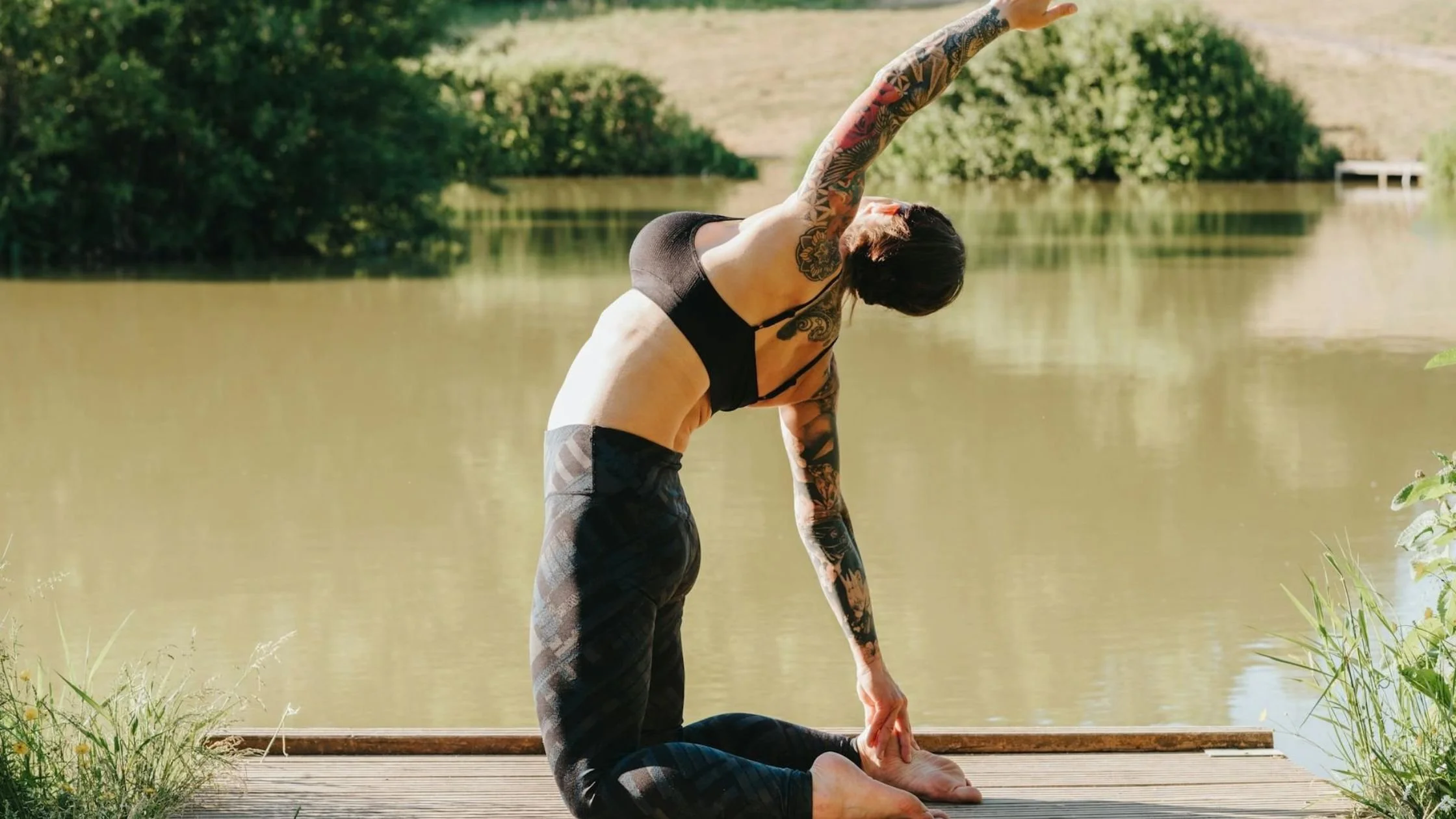
You hold the pose. Your breath is steady. Your body feels open, present, connected. And then you step off the mat and back into the noise — the tension, the tightness, the overstimulated hum of daily life that undoes everything you just built.
This is the gap most yoga practitioners never close. The ice bath benefits for yoga go far beyond soreness or recovery. Cold water immersion targets the exact same system your practice is designed to regulate — the autonomic nervous system — and it does so with a directness that breathwork and asana alone cannot always achieve.
If you have ever wondered why some practitioners seem to carry their calm off the mat while yours disappears by the time you reach the car park, the answer might not be more yoga. It might be colder water.
Why Cold Water and Yoga Target the Same System
Yoga is, at its neurological core, a practice of autonomic regulation. Every slow exhale, every held posture, every moment of stillness is training your nervous system to shift from sympathetic dominance — the fight-or-flight state — into parasympathetic recovery.
Cold water immersion does something remarkably similar, but through a completely different doorway.
The Vagus Nerve Connection
When you lower yourself into cold water, your body's immediate response is sympathetic activation. Heart rate spikes. Breathing sharpens. Adrenaline floods. But here is the part that matters for yoga practitioners — within seconds, the vagus nerve fires in response.
The vagus nerve is the longest cranial nerve in your body, running from your brainstem to your gut. It is the primary communication highway of the parasympathetic nervous system. And cold water is one of the most powerful natural stimuli for increasing vagal tone.
Higher vagal tone means faster recovery from stress, better emotional regulation, and a deeper capacity to access the rest-and-digest state that makes your yoga practice transformative rather than merely physical.
What Yogic Breathing Starts, Cold Water Finishes
Pranayama teaches you to control the breath under calm conditions. An ice bath teaches you to control the breath under acute stress. The combination builds a nervous system that does not just perform well on the mat — it performs well everywhere.
Research published in the Journal of Physiology has shown that repeated cold water immersion increases parasympathetic activity at rest, meaning your baseline state shifts. You are not just recovering faster. You are living in a calmer neurological state between sessions.
The nervous system does not distinguish between the stress of cold water and the stress of a difficult conversation, a packed schedule, or a sleepless night. Train your regulation response in the cold, and you carry that capacity into every other domain of your life.
The nervous system does not distinguish between the stress of cold water and the stress of a difficult conversation, a packed schedule, or a sleepless night. Train your regulation response in the cold, and you carry that capacity into every other domain of your life.
Ice Bath Benefits for Yoga: The Nervous System Reset Explained
| Benefit | Yoga Alone | Cold Plunge Alone | Combined Protocol | Primary Driver |
|---|---|---|---|---|
| Nervous System Regulation | Gradual via breathwork & asana | Rapid vagus nerve activation | Deepened baseline parasympathetic state | Both |
| Stress Resilience | Trained under calm conditions | Trained under acute stress | Regulation capacity in all conditions | Both |
| Inflammation Reduction | Mild via movement & circulation | Significant — reduces IL-6 & CRP | Faster tissue repair between sessions | Cold Plunge |
| Flexibility Gains | Direct — stretches fascia & muscle | Indirect — reduces fascial restriction over time | Greater long-term range of motion | Both |
| Dopamine & Noradrenaline | Moderate elevation post-practice | +530% noradrenaline, +250% dopamine | Sustained neurochemical baseline lift | Cold Plunge |
| Emotional Regulation | Cultivated through mindful practice | Forced under physical duress | Robust off-mat emotional stability | Both |
| Vagal Tone | Improved via slow exhales & stillness | Directly stimulated by cold immersion | Higher resting vagal tone over time | Cold Plunge |
| Connective Tissue Health | Stressed & lengthened through practice | Recovered via anti-inflammatory response | Healthy, pliable fascia that adapts faster | Both |
| Post-Session Recovery | Moderate — Savasana & cooling down | Accelerated cellular & tissue repair | Arrive at next session fully primed | Cold Plunge |
| Mindful Breath Control | Pranayama under calm conditions | Breath regulation under acute stress | Mastery in both calm and chaos | Yoga |
Protocol tip: Separate yoga and cold plunge by 60–90 mins minimum. Morning cold + evening yoga is the optimal sequence for most practitioners.
The phrase "ice bath nervous system reset" gets used loosely in wellness circles. But there is real physiology behind it, and understanding it will change how you approach both your cold exposure and your yoga practice.
Sympathetic Overdrive and the Modern Yogi
Most people who come to yoga are already in a state of chronic sympathetic activation. Elevated cortisol. Shallow breathing patterns. Tight hip flexors from sitting. Jaw tension. The practice helps — but for many, it is not enough to fully shift the autonomic balance.
Cold water immersion creates what researchers call a "hormetic stress" — a short, controlled stressor that triggers an adaptive response. Your body learns that the stress is survivable, and it recalibrates its baseline accordingly.
The Catecholamine Response
A 2000 study published in the European Journal of Applied Physiology found that immersion in cold water at approximately 14°C increased noradrenaline levels by 530% and dopamine by 250%. These are not marginal shifts. They represent a profound neurochemical event that, when repeated consistently, trains the nervous system to respond to stress with precision rather than panic.
For yoga practitioners, this translates directly. The steadiness you cultivate in Savasana becomes more accessible. The equanimity you seek in challenging holds becomes more natural. Not because the poses got easier, but because your nervous system got more resilient.
Inflammation and Recovery Between Sessions
Yoga, particularly dynamic styles like Ashtanga or power vinyasa, creates microtrauma in connective tissue and muscles. Cold water immersion reduces inflammatory markers — specifically interleukin-6 and C-reactive protein — accelerating tissue repair between sessions.
This means you arrive at your next practice with less residual inflammation, greater range of motion, and a nervous system that is primed rather than still recovering.
Cold Water Immersion and Flexibility: What the Research Shows
This is where things get nuanced. The relationship between cold water immersion and flexibility is not a simple "cold makes you more flexible" narrative. It is more interesting than that.
Acute Effects vs. Chronic Adaptations
Immediately after cold exposure, your muscles contract and your fascia stiffens. This is a protective response. Attempting deep stretching directly after a cold plunge is counterproductive and potentially risky.
However, the chronic effects of regular cold water immersion tell a different story. By reducing systemic inflammation and improving tissue recovery, consistent cold plunging creates conditions where your body can access deeper ranges of motion over time — not despite the cold, but because of the recovery it facilitates.
The Fascia Factor
Fascia — the connective tissue that encases every muscle, organ, and nerve — responds to inflammation by becoming dense and restricted. Yoga practitioners who train frequently without adequate recovery often develop fascial adhesions that limit their progress despite consistent stretching.
Cold water immersion helps resolve this cycle. By managing the inflammatory load, you keep fascial tissue hydrated, pliable, and responsive to the lengthening work you do on the mat.
Timing Matters More Than Temperature
The key to combining cold plunge and yoga for flexibility gains is sequencing. Cold exposure works best as a standalone recovery tool — ideally separated from your yoga session by at least two to four hours, or performed on alternating days.
This allows you to capture the anti-inflammatory and nervous system benefits without interfering with the acute tissue response your stretching requires.
How to Structure a Cold Plunge and Yoga Protocol
Theory is only useful if it translates into practice. Here is how ice bath recovery for yoga practitioners actually works when programmed intelligently.
Option One: Morning Cold, Evening Yoga
Start your day with a two-to-four-minute cold plunge at 10–15°C. This activates your sympathetic system, floods you with noradrenaline and dopamine, and sets a neurological baseline of alertness and calm. By the time you reach your evening yoga session, your nervous system has cycled through the hormetic response and is primed for parasympathetic work.
Option Two: Post-Yoga Cold Plunge (With a Buffer)
Complete your yoga session. Allow at least 60 to 90 minutes before entering the cold water. This gap ensures your muscles have returned to their resting state and you are not blunting the inflammatory signalling your connective tissue needs for adaptation.
Option Three: Alternating Days
For practitioners who train yoga four to six days per week, inserting cold plunge sessions on rest days or lighter practice days creates a recovery rhythm that supports sustained progression without overloading the system.
Temperature and Duration Guidelines for Yoga Practitioners
Consistency matters far more than intensity. Two minutes at 14°C done four times a week will deliver better results than a single six-minute session at 4°C followed by a week off.
Frequently Asked Questions
Should I do yoga before or after an ice bath?
Ideally, separate them by at least 60 to 90 minutes. If you must choose one order, yoga first is generally preferable. Your muscles and fascia are warm and pliable during yoga, which is the optimal state for stretching. Follow with cold exposure later to manage inflammation and promote nervous system recovery. Avoid deep stretching immediately after a cold plunge, as your tissues will be contracted and less responsive.
Will cold plunging make me less flexible?
Not if you time it correctly. In the short term — immediately after immersion — yes, your muscles will be stiffer. But over weeks of consistent practice, the anti-inflammatory and recovery benefits of cold water immersion actually support greater flexibility by keeping fascial tissue healthy and reducing the chronic inflammation that restricts range of motion. The key is never stretching deeply while your body is still cold.
How cold does the water need to be for a nervous system reset?
Research suggests that water temperatures between 10°C and 15°C are sufficient to trigger a significant catecholamine response and vagal nerve activation. You do not need to go below 5°C to get meaningful benefits. The discomfort should be noticeable and require controlled breathing, but not so extreme that you cannot maintain composure. If you are gasping uncontrollably, the water is too cold for your current level of adaptation.
Can ice baths replace rest days in a yoga programme?
No. Cold water immersion is a recovery tool, not a substitute for rest. Your muscles and connective tissues still require periods of minimal loading to repair and adapt. Think of cold plunging as something that enhances your rest days, not replaces them. It accelerates the recovery process so that when you return to the mat, you are genuinely ready rather than merely less sore.
Is cold water immersion safe for all yoga practitioners?
For most healthy adults, yes. However, individuals with cardiovascular conditions, Raynaud's disease, unmanaged hypertension, or who are pregnant should consult a medical professional before beginning any cold exposure protocol. If you are new to cold water immersion, start conservatively — warmer temperatures, shorter durations — and progress gradually as your body adapts.
Final Thoughts
The ice bath benefits for yoga practitioners are not peripheral. They are foundational. Cold water immersion targets the autonomic nervous system with a precision that complements and amplifies everything your yoga practice is designed to achieve — parasympathetic dominance, emotional resilience, reduced inflammation, and the kind of deep, sustainable flexibility that comes from tissue health rather than force.
This is not about suffering through cold water for its own sake. It is about using a deliberate, controlled stressor to build a nervous system that does not just cope — it thrives.
The practitioners who experience the most profound results are the ones who treat their recovery with the same intentionality as their practice. That means consistent protocols, reliable temperatures, and equipment that performs without compromise.
Ritual Recovery ice baths and chillers are designed for exactly this — precise temperature control, premium build quality, and the kind of reliability that turns cold exposure from an occasional experiment into a daily practice. Because the benefits of cold water immersion are not built in a single session. They are built in the hundred sessions that follow.
Step off the mat. Step into the cold. And carry that calm with you everywhere.